 Resource Hub
How Low-Chlorine Pool Systems Simplify Pool Care
If you have ever stepped out of your pool with stinging eyes and dry, tight skin, you already know the downsides of heavy chemical treatment. A growing number of homeowners are discovering that low-chlorine pool purification systems offer a genuinely different swimming experience.
These systems use advanced sanitation methods to reduce your pool’s reliance on traditional chemical dosing. The result is water that feels softer, smells cleaner, and requires less hands-on upkeep. In this article, you will learn how low-chlorine technology works, what it means for your weekly maintenance routine, and why it is gaining popularity across residential pools in Australia, New Zealand and other parts of the world.
Key Takeaways: Low-Chlorine Pool Purification Systems
- Low-chlorine pool systems reduce chemical demand by combining copper-silver ionisation with controlled oxidation for effective sanitation.
- Residential pool maintenance becomes simpler because these systems require fewer chemical additions and less frequent water balancing.
- Naked Pools delivers freshwater systems that keep water softer than household tap water while eliminating up to 70% of traditional chemical use.
- Skin irritation, red eyes, and strong chemical odours are significantly reduced when pools operate at lower chemical levels.
- Low-chlorine purification technology protects pool equipment and surrounding landscaping from the corrosion caused by high salt and chemical exposure.
What Is a Low-Chlorine Pool Purification System?
A low-chlorine pool purification system is a sanitation setup that reduces the amount of chemical required to keep your pool water clean and safe. Instead of relying on high doses of a single disinfectant, these systems combine multiple technologies to handle bacteria, algae, and organic contaminants.
The most common approach pairs mineral ionisation with a small amount of oxidation. Copper and silver ions are released into your water through a controlled electrode process, and they remain active in the pool continuously. A minimal oxidation component handles organic matter like sweat, sunscreen, and dust.
The end result is pool water that operates with far less chemical than a conventional setup, often at levels lower than your household tap water.
How Does Copper-Silver Ionisation Work in Pool Water?
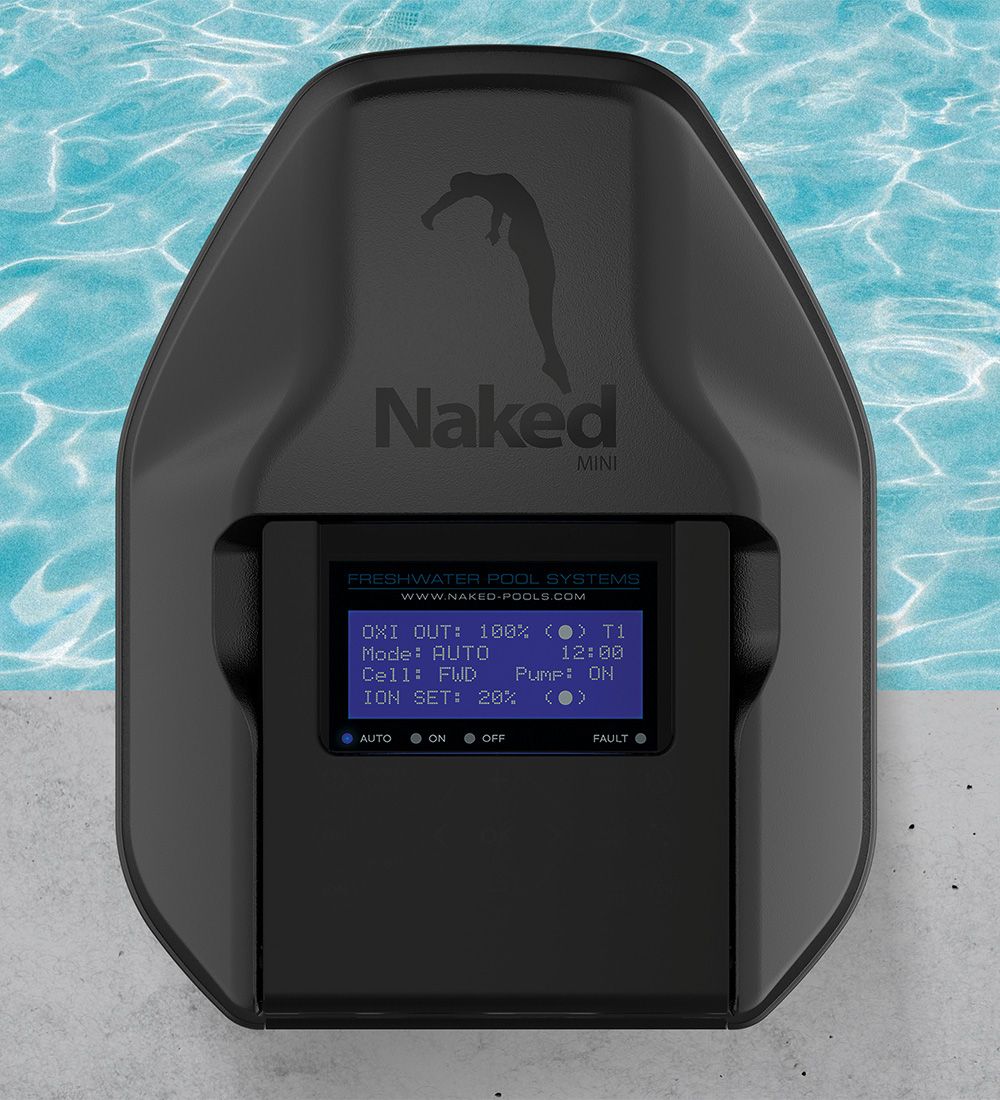
Copper-silver ionisation is the core technology behind most low-chlorine residential pool systems. A digital control unit sends a low-voltage electrical current through copper and silver electrodes housed inside an ionisation chamber. As water flows past these electrodes, positively charged ions are released.
Copper ions target algae by disrupting their ability to photosynthesise and absorb nutrients. Silver ions attack bacteria and viruses by interfering with their enzyme systems. Together, these minerals provide continuous, residual sanitation that stays active even when your pump is switched off.
Unlike traditional disinfectants that degrade rapidly under UV light and heat, copper and silver ions are not affected by sunlight. This means your pool maintains a stable protective barrier around the clock, with no need for chemical stabilisers or conditioners to extend their effectiveness.
Why Does Reduced Chemical Use Make Pool Maintenance Easier?
Traditional pool care involves a cycle of testing, adding chemicals, waiting, retesting, and adjusting. When your pool requires high chemical levels, small imbalances can cascade into bigger problems like cloudy water, scaling, or algae blooms. Each issue demands more products and more time from you.
Low-chlorine systems break that cycle. With copper and silver ions handling the bulk of sanitation, your water quality stays more consistent day to day. You spend less time adjusting chemical levels and more time actually swimming.
The practical difference is measurable. Naked Pools freshwater systems require up to 70% less chemical input than traditional setups, and the Naked pH Controller can automate pH management entirely, removing one of the most common weekly chores for pool owners.
What Are the Health Benefits for Your Family?
High chemical levels in pool water are a well-documented source of skin and respiratory irritation. Chloramines, the compounds formed when disinfectants react with sweat, oils, and other organic matter, are responsible for that familiar stinging sensation in your eyes and the strong smell often associated with pools. Research confirms that over-treated pool water can also damage hair, dry out skin, and aggravate conditions like eczema, psoriasis, and asthma.
Low-chlorine purification dramatically reduces chloramine formation by minimising the amount of oxidiser in your water. For families with young children, sensitive skin, or respiratory conditions, this creates a noticeably more comfortable swimming experience.
Naked Pools systems produce water with less residual chemical than your household tap, which means you can skip the post-swim shower and stop worrying about slathering on protective cream before a dip.
How Do Low-Chlorine Systems Protect Your Pool Equipment?
Corrosion is one of the hidden costs of running a high-chemical pool. Salt and chemical compounds gradually eat away at metal fixtures, pump components, heating elements, and even pool surfaces. Over time, this leads to premature equipment failure and expensive repairs.
Low-chlorine systems operate with significantly lower total dissolved solids (TDS) in your water. The Naked Freshwater System runs on the lowest TDS of any residential pool system available, which translates directly into longer-lasting equipment, less surface damage, and reduced wear on surrounding landscaping and outdoor furniture.
Your pool water can even be safely reused on your lawn or garden, something that is simply not possible with high-salt or heavily treated water.

Is a Low-Chlorine System Right for Your Pool?
Low-chlorine purification systems are compatible with virtually any residential pool type, surface material, and heating configuration. If you are building a new pool, you can specify a freshwater system from the start. If you already own a pool, converting your existing setup is straightforward and can typically be completed in a single afternoon with minimal plumbing changes.
The Naked NKD-R system suits pools from 30,000 to 150,000 litres, while the Naked MINI (NKD-M) handles plunge pools and swim spas up to 30,000 litres. Both systems are fully digital, customised to your specific pool volume, and backed by an industry-leading five-year warranty on the NKD-R system.
For pool owners who want even less hands-on involvement, pairing either system with the NKD pH Controller automates pH management with probe-free acid dosing based on your pool size.
What Does Ongoing Maintenance Look Like?
With a low-chlorine system, the weekly maintenance routine most pool owners dread largely disappears. There is still some light upkeep, primarily keeping an eye on pH levels and periodically testing your water at home. You manage one or two parameters instead of juggling half a dozen chemical inputs.
Copper levels need periodic checking to stay within the target range. A simple test kit handles this in minutes. The ionisation process runs automatically through your existing pump, so there is no manual dosing, less trips to the pool shop, and no shock treatments to schedule.
This setup is particularly well suited for holiday homes or pools that sit unattended for extended periods. Residual mineral protection stays active in the water even when the system is off, keeping your pool safe between visits.
In Summary: How Low-Chlorine Purification Simplifies Pool Ownership
Low-chlorine pool purification systems represent a meaningful shift in how residential pools are maintained. By combining copper-silver ionisation with minimal oxidation, they reduce your chemical costs, protect your equipment, and deliver water that is genuinely gentler on your family.
If you are ready to spend less time managing your pool and more time enjoying it, explore how Naked Pools freshwater systems can transform your backyard. Start your freshwater journey with a new pool build or by converting your existing setup today.
FAQs About Low-Chlorine Pool Purification Systems
Do low-chlorine pool systems eliminate chemical use entirely?
No. Low-chlorine systems significantly reduce chemical demand but do not remove it completely. A small amount of oxidation is still needed to break down organic contaminants like sweat and sunscreen. Naked Pools freshwater systems operate with less residual chemical than household tap water, keeping levels minimal while maintaining safe, clean pool water.
How long do the copper and silver electrodes last?
Electrode lifespan depends on your pool size, usage patterns, and how many hours your pump runs each day. Most residential systems get between 3-5 years of use from a single set of electrodes before replacement is needed. Your Naked Pools system monitors electrode output digitally and will alert you when replacement is approaching.
Can I convert my existing pool to a low-chlorine system?
Yes. Naked Pools freshwater systems are designed to retrofit onto any existing pool or spa, regardless of your current sanitation method. The conversion process involves minimal plumbing adjustments and can usually be completed in one afternoon. You may need to partially drain and refill your pool if current chemical or salt levels are high.
Are low-chlorine systems safe for children and pets?
Copper-silver ionisation has been used for water purification for decades, including in space programs for drinking water systems. Low-chlorine pool water is gentler on skin, eyes, and respiratory systems than traditionally treated water, making it a suitable choice for families with young children, pets, or anyone with sensitivities.
Will a low-chlorine system work with my pool heater?
Yes. Naked Pools freshwater systems are compatible with all common heating types, including solar, electric inverter, and gas heaters. The system’s heat pump interface also enables direct integration with compatible heating systems for more efficient operation.
Our Blog

Mineral Pool VS Salt Water Pool
If you’re concerned about the health of your loved ones, the cost of maintaining your swimming pool and the impact it has on the environment, it might be time to consider converting your high chemical pool to something better. In recent years, Australians have been searching for alternatives to chlorinated swimming pools because pools with high levels of chemicals are harmful to people and the environment.

Which Pools Are Easiest To Maintain? Saltwater vs Freshwater
There’s nothing like the luxury and pleasure of having a backyard oasis to enjoy on a hot summer’s day. At the same time, we all know pool ownership requires ongoing maintenance. The ideal outcome for any pool owner is to maintain a crystal-clear, usable pool with the minimum of ongoing effort and costs.

Salt water pools are chlorine pools
The electrolysis process in a saltwater swimming pool is achieved by passing the saltwater solution through an electrolytic cell which converts sodium chloride (salt) in the water into chlorine gas.