 Resource Hub
Start your freshwater journey:

Naked water – swimming as nature intended™
Many people around the world are lucky enough to enjoy high-quality tap water and appreciate the advantages of fresh water at home. For generations, chlorine and saltwater systems have been commonly accepted as the standard methods for pool sanitization.
Not anymore.

Less chlorine than your household tap
A breakthrough system by Naked Pools has changed the game in water treatment that delivers you crystal clear pool water without the need for high chlorine or high salt in backyard swimming pools.
The benefits are crystal clear
No red eyes or
irritated skin
Perfect for asthmatics,
psoriasis and eczema
Up to 50% saving on
running costs
Longer lasting equipment
and pool surrounds
No need to wash swimwear
or shower after swimming
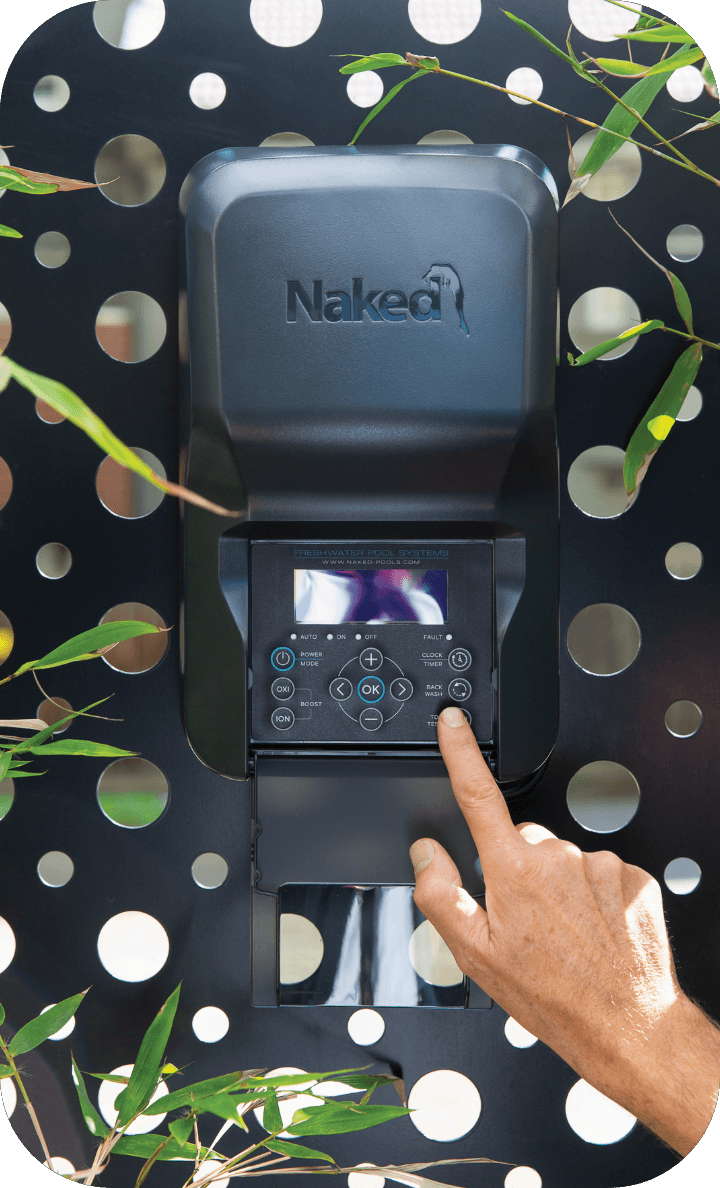
Easy to set up
and manage
Recycle the water direct to
your garden or holding tank
Natural, rejuvenating
and refreshing
Latest from our blog
Discover the latest product information, new distributors, pool care tips, and a showcase of freshwater systems trusted by pool owners across Australia and New Zealand.


Download our FREE Ultimate Pool Guide
Frequently asked questions
What are pool systems, and how do they work?
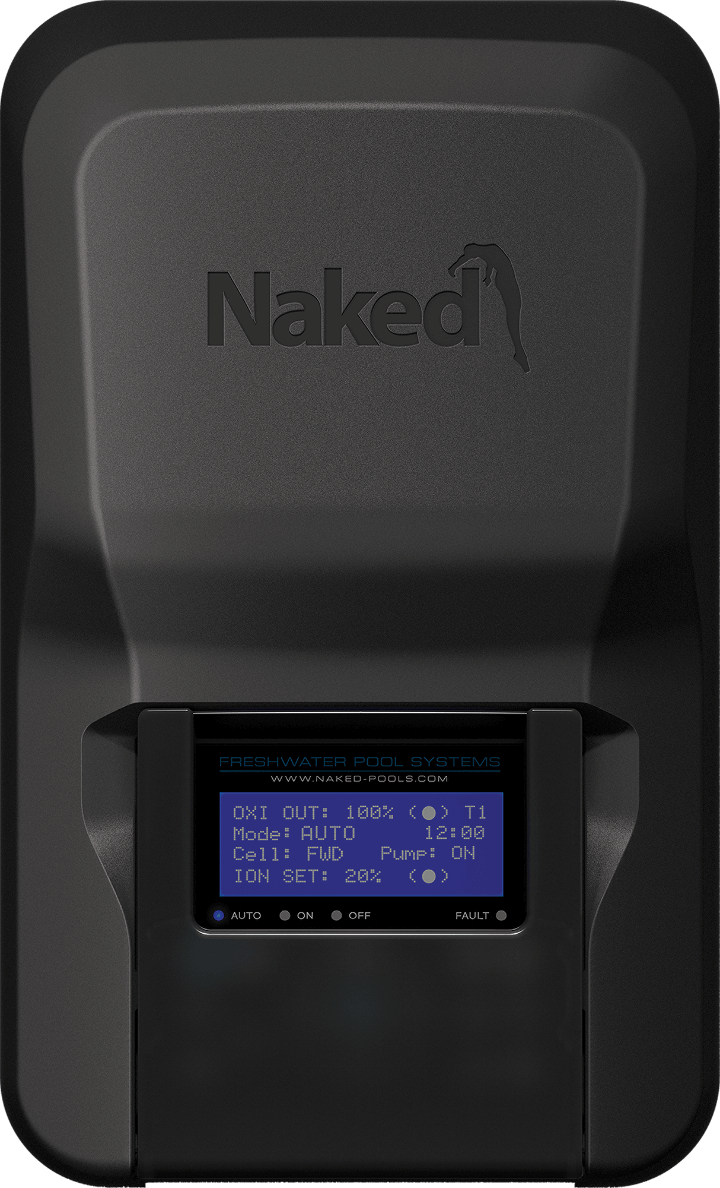
A pool system is basically everything that keeps your pool water clean and swimmable. It’s not just one product but rather a whole setup. From the chlorine generator to the pump, filter, and everything else that makes sure harmful elements like bacteria aren’t thriving in your pool. For example, Naked Pools uses a mineral-based process that skips the heavy chemical load altogether. It still sanitises for all pool types and conditions, but more naturally.
What types of pool systems are available?
The main types of pool systems available include:
- Chlorine-based systems. Traditional pools where chlorine is manually added to disinfect water. Tried and true, but they come with that chemical smell and skin irritation.
- Saltwater pool systems. Use a salt chlorinator to generate chlorine automatically. The difference with traditional pools is that saltwater pool systems produce chorine in an automated manner so they are slightly easier to maintain.
- Mineral pool systems. Similar to saltwater but uses minerals like magnesium in place of pool salt. Mineral pool systems are a bit gentler. They still produce chlorine but with softer-feeling water and added minerals. The minerals are expensive but they also hide the smell of the chlorine in the pool water.
- Freshwater or low-chemical systems. The standout for people wanting a more natural, eco-friendly pool system is freshwater. These modern pool systems (e.g., the Naked Freshwater System) use mineral ionisation like copper and silver. The best thing about them is that they require minimal chlorine to maintain crystal-clear water that provides the ultimate swimming experience.
How do I choose the right pool system for my needs?
It really depends on what you care about. If you’re looking for something that’s low maintenance, easy on skin, and good for kids or pets, freshwater is the best pool system for home. A traditional chlorine or saltwater system might also suffice. These have a lower inital cost but they do require more maintenance and ongoing chemicals. Also, the size of your pool should match the system you choose. Naked Pools’ NKD-R and NKD-M Freshwater Systems are tailored to different pool volumes. Researching these options and consulting your pool builder will help ensure you choose the ideal solution for your needs.
Do pool systems require regular maintenance?
Newer systems like freshwater certainly require less time and maintenance these days. Chlorine pools need a fair bit of attention—testing, balancing, shocking. Saltwater isn’t as bad, but you still have to maintain the chlorinator and chemical balance in the water. With a freshwater system like Naked’s, the weekly grind pretty much disappears. There’s still some light upkeep, maintianing pH, but with 90% less salt and 50% less chemicals you’ll spend more time enjoying your pool rather than maintaining it.


